
What if the secret to lasting success at work isn’t about fixing what’s wrong, but about amplifying what’s right?
This simple shift in focus can transform your professional environment. According to Celia Willis of KWI, putting people at the center of business is the key to lasting organizational success.
Modern organizations must prioritize their teams to ensure long-term growth. The market demands constant adaptation and employee-focused leadership.
By focusing on what individuals do best, companies build a powerful culture. People feel valued, respected, and motivated to contribute every day.
This guide explores how leveraging strengths in the workplace creates a hub of high performance. We move from correcting weaknesses to maximizing natural talents.
The result is a more engaged and productive workforce. Understanding each team member’s unique contributions builds a resilient organization. This resilience is vital for navigating today’s complex challenges.
Key Takeaways
- Lasting organizational success starts by putting people first.
- Focusing on employee strengths boosts engagement and productivity.
- A culture that values individual contributions motivates daily effort.
- Shifting from weakness-fixing to talent-maximizing drives better results.
- Understanding unique team skills builds a resilient company.
- Employee-focused leadership is essential for adapting to market changes.
- Amplifying what’s right is a more powerful strategy than fixing what’s wrong.
Understanding the Impact of Strengths-Based Management
Justin Wiley from Gallup points to a strengths-based approach as the key to better manager-employee relationships. This method changes how we view team contributions.
Defining Strengths and Their Role in the Workplace
Strengths are not just skills. They represent the perfect match between what an organization needs and what a person naturally does well.
Every team member has a unique way to help reach company goals. Recognizing these core talents is the first step.
How Strengths Influence Employee Engagement and Productivity
Using personal strengths leads to higher engagement. People report a better quality of life at their job when they do what they’re good at.
Productivity also sees a major boost. Team output improves when daily tasks align with natural talents.
This creates an environment where individuals feel energized. They are no longer drained by their projects.
Strategies for Leveraging Strengths in the Workplace
Knowing your team’s talents is one thing. Systematically applying them to daily work is another.
A clear, actionable plan turns potential into consistent performance. This structured method ensures natural abilities directly benefit projects.
Best Practices for Identifying and Using Individual Strengths
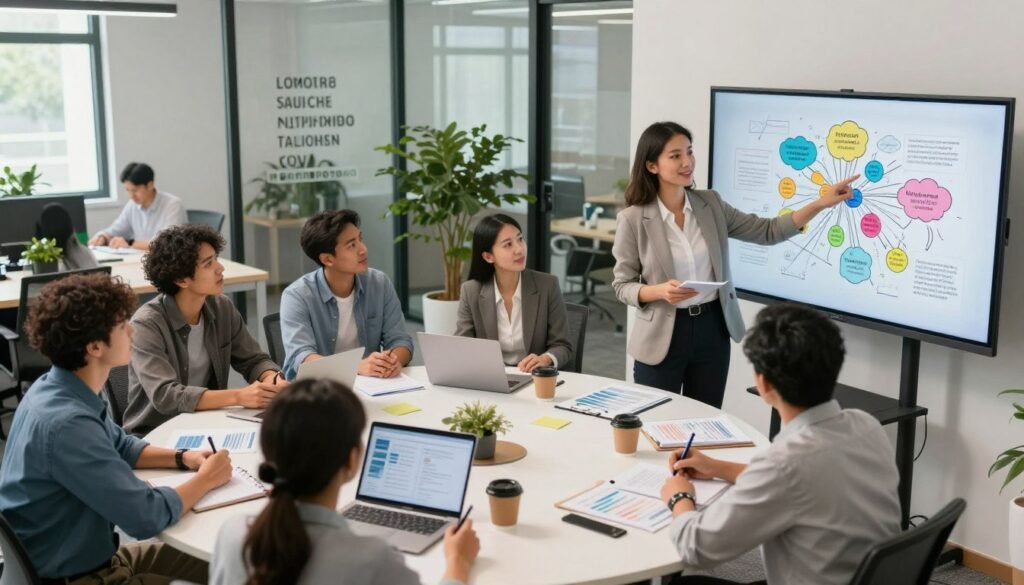
Start with a proven framework like the 34 CliftonStrengths themes. These categories—Executing, Influencing, Relationship Building, and Strategic Thinking—help map a team’s collective capabilities.
This map allows managers to assign tasks that align with a person’s natural talents. Matching roles to core skills leads to higher quality output and greater job satisfaction.
Focusing on these individual strengths builds a more collaborative environment. Colleagues begin to understand and value the unique contributions each person brings.
Tools and Techniques for Strengths-Based Management
For groups strong in Strategic Thinking, provide dedicated time for deep reflection. New ideas need space to develop without constant interruption.
On any project, ensure team members have the necessary resources. People must be equipped to use their skills effectively every day to reach goals.
This practical support turns a strengths-based philosophy into real-world results. It empowers each person to perform at their best.
Cultivating a Culture of Engagement and Collaboration
Gallup research reveals a powerful link: employees who receive regular, constructive feedback are far more likely to be highly engaged. Building this culture requires deliberate action focused on people and open dialogue.
Creating a People-First Work Environment
A people-first environment is built on consistent communication. Leaders provide meaningful feedback to help their team grow and feel truly seen. This approach directly fuels higher engagement and makes individuals feel valued.
Initiatives to Enhance Team Communication and Feedback
Regular, open dialogue builds stronger relationships and trust. Leaders must prioritize the time to listen to others, ensuring feedback is a two-way street.
This fosters mutual respect. Initiatives that encourage positive interaction have a direct impact on how employees view their value.
Effective communication ensures every team member understands their role. They feel supported by peers and management alike.
Measuring Success Through Employee Engagement and Performance
Quantifying success requires moving from gut feelings to data-driven insights about how connected people feel to their work. True measurement goes beyond simple output numbers.

Tools like the Q12® survey provide a clear framework. This system measures needs across four levels: basic needs, individual contribution, teamwork, and growth.
Implementing Engagement Surveys like the Q12®
This survey is a critical tool for measuring employee engagement. It gives leaders a structured way to see where their organization stands.
It identifies specific areas for continuous improvement. Managers gain a roadmap for supporting their team’s ability to do their best work.
Analyzing Data to Drive Continuous Improvement
Data from these surveys tracks success in building a supportive culture. Leaders must act on these insights to help their diverse workforce.
Meaningful conversations about using strengths every day become possible. This supports continuous learning and development for all.
When leaders respond to feedback, performance metrics naturally improve. A structured survey process commits the company to each person’s growth.
Personalizing Development: Tailoring Strategies for Individuals and Teams
When development efforts match a person’s natural abilities, career progression becomes more meaningful and effective. Gallup data shows a manager’s influence accounts for 70% of the variance in team engagement. This highlights the critical role of personalized guidance.
Effective leadership involves coaching each person to align their personal career aims with organizational goals and responsibilities. This creates a clear path forward for every team member.
Empowering Leaders Through Strengths-Based Coaching
Managers empowered with a strengths-based approach can tailor their style to different individuals. This customized support helps people navigate their professional journey with greater purpose.
Focusing strengths on personalized development ensures daily tasks energize rather than drain. It turns potential into consistent performance.
When teams are coached to apply their collective talents, they achieve complex objectives more adeptly. They overcome daily operational hurdles with shared confidence.
This investment in people builds a sustainable pipeline of talent. It drives long-term success for the entire company by using strengths strategically.
Prioritizing the growth of individuals and teams fosters a resilient and adaptable organization. Strong leadership in development is the cornerstone of this process.
Case Studies and Real-World Examples of Strengths in Action
Concrete examples from leading firms demonstrate the powerful outcomes of a strengths-focused strategy. These real-world cases highlight effective management.
Success Stories from Strengths-Driven Organizations
A prime example of success is found in companies that implement strengths-based solutions. Celia Willis of KWI illustrates how a business can be nurtured into a community-focused, strengths-driven organization.
Gallup’s global study on ROI for strengths-based development revealed significant turnover decreases. Low-turnover organizations saw a 16-point drop. High-turnover organizations experienced a dramatic 72-point reduction.
This data proves the impact of investing in unique talent. Measurable growth in retention follows when companies focus on unique strength. This approach builds a stable foundation for long-term success.
Insights from Gallup and Other Industry Leaders
Industry leaders like Gallup provide data-backed solutions. These insights help companies understand the positive effects of focusing on individual strength.
By studying these cases, other organizations can learn to use their own talent. This leads to similar levels of stability and growth.
Adopting these proven strategies fosters a resilient and successful workplace. It is a clear example of how data-driven solutions create positive change.
Adapting to Change: Navigating the Evolving Workplace Landscape
The seismic shift of the Great Resignation rewrote the rules for talent retention overnight. This event forced a major rethink of how companies support their people’s wellness.
Organizations must now prioritize understanding what their staff truly needs to stay and thrive.
Addressing Challenges Like The Great Resignation
Many people reevaluated their professional paths during this period. Leaders must spend time listening to grasp the new demands for flexibility and growth.
This understanding is the first step to rebuilding a stable and motivated team.
For employees, staying relevant means developing new skills. Critical thinking about the future of work is essential for long-term career engagement.
Managers face the test of hybrid and remote settings. Their key task is ensuring every employee feels connected and valued each day.
A culture that celebrates the individual is the ultimate retention tool. By focusing on personal value, companies keep their best employees even during turbulent time.
This approach turns challenge into opportunity for lasting engagement.
Conclusion
Shifting from a deficit mindset to an asset-based one unlocks unprecedented energy and results. This approach is a proven path to higher engagement and lasting organizational success.
By focusing on what each person does best, leaders build a culture where employees feel valued. Consistent communication and support for personal growth maintain high performance and strong team bonds.
Prioritizing well-being and professional development equips any organization for modern challenges. It turns potential into consistent, excellent work.
The journey starts now. Identify the core capabilities of your team. Foster an environment of collaboration where every individual can thrive.
FAQ
What exactly are workplace strengths?
Workplace strengths are your natural talents and abilities. They are the things you do well and enjoy. Think of them as your superpowers for your job. When you use these innate talents, your work feels easier and you perform better. This boosts your engagement and overall contribution to the team.
How can I figure out what my key strengths are?
You can identify your talents through self-reflection, feedback from colleagues, and formal assessments. Tools like Gallup’s CliftonStrengths assessment are popular for this. Pay attention to tasks that energize you and where you get consistent, positive results. Discussing your observations with a manager or coach can provide further clarity for your career development.
Why is focusing on employee strengths better than fixing weaknesses?
Focusing on what employees do best leads to higher performance, greater productivity, and increased job satisfaction. While some skills need development, building on existing talent creates faster growth and more impactful results. This people-first approach helps individuals and organizations succeed by aligning daily work with natural ability.
What is a strengths-based management style?
This leadership approach focuses on assigning tasks and roles based on an individual’s innate talents. Managers using this style help team members apply their best abilities to their key responsibilities. This improves communication, fosters collaboration, and empowers employees. It turns managers into coaches who unlock potential.
How does using our strengths improve team performance?
When each person operates from their area of talent, the team becomes more versatile and effective. Collaboration improves because members understand and value each other’s unique contributions. This leads to better problem-solving, innovative solutions, and a shared drive toward common goals, directly enhancing the group’s output.
What is the Q12® survey and how does it relate to strengths?
The Gallup Q12® is a proven employee engagement survey. It measures core elements like having the opportunity to do what you do best every day—a direct link to using strengths. Organizations analyze this data to see how well they are creating an environment where talent can thrive, guiding their improvement strategies.
How can our organization start building a strengths-based culture?
Begin by providing access to strengths identification tools for all employees. Train leaders in coaching conversations that focus on talent. Redesign roles and projects to better align with individual abilities. Recognize and celebrate wins that come from people using their unique talents. This consistent focus builds a powerful culture of engagement.