

What if the secret to a productive day isn’t about managing minutes, but about managing your energy and focus?
Many of us chase the clock, feeling there’s never enough of it. Experts Dodd and Sundheim point out a critical truth: you can’t manage time itself. Everyone gets the same 1,440 minutes each day. The real skill is managing the events and choices that fill those minutes.
This guide is about that fundamental shift. It’s not just about doing more. It’s about organizing your work and life with intention. You will learn to focus on what truly moves the needle.
We explore proven strategies that help you get the right things done. This approach reduces stress and creates space for growth. You’ll discover how to set clear goals, design an effective schedule, and choose the best tool for your style.
From handling a flooded inbox to running efficient meetings, we cover actionable steps. The goal is a sustainable system that supports your biggest ambitions while protecting your well-being.
Key Takeaways
- You manage events and energy, not time itself.
- A structured method transforms your daily output and reduces overwhelm.
- Clear prioritization ensures you focus on high-impact work first.
- The right tools are essential for streamlining your schedule and tracking tasks.
- Building consistent routines is the foundation of lasting productivity.
- Effective delegation and technology use can reclaim hours every week.
- Small, actionable adjustments lead to significant professional and personal gains.
Understanding the True Nature of Time Management
Every professional starts each day with the same finite currency: 86,400 seconds to invest. You cannot create more of it. The real skill lies in managing the events and choices that fill this container.
Time as a Limited Resource
Your daily 1,440 minutes are a non-renewable budget. Think of them like money. You must spend this resource on your most valuable assets. Protecting these hours is crucial for your career and well-being.
Understanding this limit is the first step. It shifts your focus from doing more things to doing the right things. This mindset is the core of all effective strategies.
The Value of Self-Control and Planning
Success depends on self-analysis and self-control. Track how you use your minutes. This reveals where your effort truly goes.
Planning your day with clear goals is powerful. It helps you spot the difference between urgent tasks and important work. A consistent method ensures you move toward long-term objectives.
You build the discipline to stick to your schedule. This control reduces stress and boosts your energy. You accomplish what matters most in your work and life.
Benefits of Effective Time Management for Professionals
Implementing a structured approach to your daily events yields significant improvements in both professional performance and personal health. Data shows that using time management strategies can cut workplace stress by 43%. With 71% of knowledge workers reporting burnout, the need for a better system is clear.
Boosting Productivity and Energy
When you stop letting urgent items dominate your day, you focus on what truly matters. This shift naturally increases your output. You accomplish more in fewer hours.
Research confirms that people using these techniques feel more energized. They handle complex challenges with greater ease. Your schedule becomes a tool for momentum, not a source of dread.
Reducing Stress and Enhancing Well-Being
A clear plan reduces anxiety from missed deadlines. It turns an overflowing list into a manageable set of priorities. You gain control and peace of mind.
Good management helps establish healthy boundaries. This protects your personal life and rest. Investing in your well-being through better organization is a key step for long-term success.
Recognizing the Challenges in Managing Time
The modern professional’s day is a battlefield of competing demands and digital noise. To build an effective system, you must first spot these hidden drains on your focus and energy.
Digital Distractions and Information Overload
Slack reports that 80% of knowledge workers operate with their inbox open. Constant pings from communication tools fracture your concentration. This makes deep, meaningful work nearly impossible.
Research shows the average person switches between 10 apps up to 25 times daily. Each shift forces your brain to reset. This constant context switching is a major productivity killer.
Clutter, Procrastination, and Context Switching
A cluttered desk or a messy digital list lowers job satisfaction and mental performance. This disorganization steals precious mental energy you need for important goals.
When a task feels too big, procrastination often follows. Your brain also exhausts itself restarting after interruptions. Identifying these specific habits is the essential first action.
This clear recognition clears the path for implementing better strategies. You can then protect your schedule from these common pitfalls.
Time Management for Professionals: Essential Strategies
A powerful framework for sorting your daily to-dos can transform a reactive schedule into a proactive one. Essential strategies provide a clear method to focus your effort where it counts most.

Using the Eisenhower Matrix to Prioritize
The Eisenhower Matrix is a classic tool. Covey, Merrill, and Merrill developed this system in 1994. It sorts every task by urgency and importance.
Your top priority should be work that is important but not urgent. These activities drive long-term goals and growth. They often get ignored by pressing demands.
Balancing Urgent versus Important Tasks
We often let urgent items dominate our day. This stops us from doing the work that truly matters. The matrix helps you spot the difference.
For example, a critical client call is urgent and important. Replying to routine emails often is not. You can delegate or delete these low-value items.
This action frees up your schedule for high-impact projects. You gain greater control over your limited hours. Consistently using this approach ensures you get done what moves you forward.
Planning and Scheduling Techniques That Work
Your calendar is more than an appointment log; it’s the blueprint for your success. The right techniques transform your intentions into completed tasks. They provide a clear structure for your day.
Leveraging Calendars and Personal Planners
Experts recommend a single planning tool. This could be a digital calendar or a physical notebook. Record information directly into it to avoid inefficient note transfers.
Keep this tool synchronized across your phone and computer. This ensures you always have an accurate view of upcoming commitments. Review your plan daily to stay aligned with your priorities.
Limit your scheduled hours to about three-fourths of your day. This leaves space for creative thinking and planning your goals. A well-maintained calendar acts as your central command hub.
Time Blocking and Timeboxing Methods
Time blocking breaks your week into discrete slots for specific projects. It dedicates periods for deep, focused work without interruptions. This is a powerful method to protect your concentration.
Timeboxing is a goal-oriented approach. You set a strict limit, like two hours, to get done a report. This creates healthy pressure to complete the task efficiently.
Group similar activities together in your schedule. This reduces context switching and boosts your overall productivity. These strategies help you master your schedule with intention.
Mastering the Pomodoro Technique for Sustained Focus
The Pomodoro Technique turns the daunting prospect of a long work session into a series of manageable sprints. This popular method uses a simple timer to create boundaries between deep focus and necessary recovery.
Setting Effective Work and Break Intervals
The standard interval is a 25-minute focused work block followed by a five-minute break. Research shows that taking regular pauses boosts creativity and intrinsic motivation. After four sessions, take a longer 20 to 30-minute break to fully recharge.
During each work sprint, eliminate all distractions. Silence non-urgent notifications and commit to a single task. This approach is perfect for complex projects you might otherwise avoid.
Use a timer to track your intervals. Aim for physical activity during short breaks, like stretching. This rhythm sustains your concentration throughout the day and helps you get more done while feeling relaxed.
Delegation and Automation to Maximize Efficiency
The most productive professionals don’t just work harder; they work smarter by leveraging delegation and automation. This approach frees your schedule for high-value activities that demand your unique skills. Experts Dodd and Sundheim highlight that offloading routine items lets you focus on specialized work.
Modern tools like Slack AI demonstrate this power. They can save users an average of 97 minutes weekly by handling summaries and questions. This is a clear example of using technology to reclaim your day.
Identifying Tasks to Delegate
Start by reviewing your list. Look for items that are repetitive, teachable, or outside your core expertise. Be specific about your expectations when you assign them.
Allow the other person freedom to personalize the approach. Check progress periodically to offer support, but avoid taking back responsibility. Rewarding a job well done encourages future collaboration and ensures quality.
Using AI Tools and Automated Workflows
Artificial intelligence can handle research, analysis, and report summarization. Integrate these assistants directly into your workspace. They provide instant answers and keep you a step ahead.
Automated workflows manage routine actions like sending reminders or updating project status. You can also “buy” time by hiring help for specialized projects. This method ensures your hours are spent on top priorities.
Combining human delegation with AI automation creates a powerful system. It maximizes your output and protects your energy. This is a core strategy for sustainable productivity.
Tackling Difficult Tasks First: The Eat the Frog Method
Mark Twain offered a peculiar piece of advice: if you must eat a frog, do it first thing in the morning. Brian Tracy later popularized this as a core productivity principle. This method ensures your biggest, most unpleasant task is your first action.
Why Challenging Tasks Must Be Prioritized
Completing your hardest work early builds incredible momentum. You get done what matters most before distractions arise. This creates a sense of accomplishment that fuels your entire day.
If you have several difficult items, tackle the largest priority first. Break a massive project into smaller steps using a “snowball” method. This builds confidence and makes starting easier.
Schedule this focused work as the first thing in your morning. Protect this schedule from meetings or emails. Reward yourself after finishing to maintain motivation.
This strategy directly combats procrastination. It guarantees progress on your key goals daily. Your productivity and overall life satisfaction will improve.
Organizing Your Workspace and Digital Environment
Clutter, whether on your desk or desktop, silently drains your mental energy and steals precious minutes. Psychology Today reports that office mess is linked to lower job satisfaction, reduced performance, and increased fatigue. A clean, organized space directly supports your productivity and focus.
Reducing Physical Clutter
Start with a simple sorting method. Use three boxes labeled “Keep,” “Give Away,” and “Toss.” This action helps you quickly decide what stays in your work area.
Take a quick five-minute break to organize your desk. Throw away old papers and coil stray wires. This small step clears visual noise and boosts mental clarity.
Streamlining Your Digital Tools
Nearly half of all workers waste hours searching for needed information. Organize your digital tools to fix this. Use folders and color-coded systems in your emails.
A centralized project platform helps track progress and due dates. Keep contact lists updated to avoid search delays. Set screen time limits for digital wellness.
A dedicated, tidy space signals your brain it’s time to focus. This management of your environment is a core strategy for achieving daily goals.
Utilizing Time-Tracking Tools and Productivity Apps
The right tool doesn’t just track minutes; it provides insights that transform how you approach your entire workday. Data supports this. The Slack Workforce Index shows highly productive workers are 120% more likely to use focus timers. This is a core part of effective time management.
Top App Recommendations for Time Management
Many apps exist to help you. They fall into categories like time trackers, task managers, and habit developers. For example, RescueTime runs in the background. It provides detailed reports on your sessions and alerts you to poor habits.
Todoist is a powerful method for your list. It sets recurring reminders and gives a daily snapshot of your tasks. Platforms like G2 score these tools based on user feedback. Look for options with at least a four-star rating.
Connecting these apps to your central workspace lets you track progress across platforms. The information you gain is powerful. It helps you refine your schedule and update priorities based on real data.
Choosing the right tool is personal. Test a few to see which fits your style. This step ensures you get done what matters most.
Customized Techniques to Combat Daily Interruptions
From unexpected emails to impromptu meetings, daily disruptions demand specific strategies to protect your focus. These customized tips help you defend your schedule and maintain momentum.
Managing Emails and Disruptive Meetings
Apply David Allen’s two-minute rule to your inbox. If a task takes less than two minutes, do it immediately. This method prevents small items from piling up.
Schedule specific blocks to process emails. Turn off notifications to avoid constant alerts. Handle each message only once by deleting, delegating, or taking action.
For impromptu meetings, stand up to keep them brief and focused. Always set a clear agenda before any scheduled discussion. Politely inform visitors of your time constraints to stay on track.
Use voice-to-text features to capture ideas on the go. Activate “Do Not Disturb” modes during deep work sessions. These simple steps reduce reactive activities and boost your productivity.
Building a Personalized System for Sustainable Time Management
A one-size-fits-all approach rarely works; the most effective systems are those you design yourself. This means adapting various strategies to fit your specific work style and personality. Your goal is a flexible framework that supports your biggest ambitions.
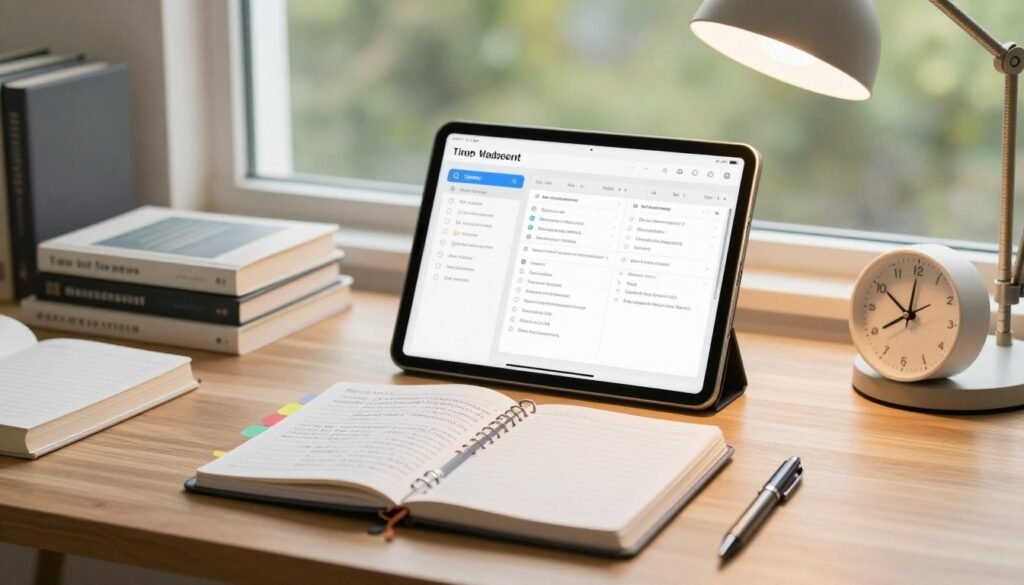
Adapting Strategies to Your Work Style
Start by assessing your productivity weekly. Look for patterns like delays that create urgent tasks. Google’s 2019 digital wellbeing survey found that 80% of participants improved their well-being by managing screen time. This shows small steps matter.
If a method doesn’t fit, reevaluate it. Connect your daily work to team goals. This ensures your efforts align with what matters most. Plan challenging projects for when you’re most alert.
Your system must handle shifting priorities. Include breaks for relaxation. This helps you rejuvenate and accomplish tasks more easily. Remember, you don’t need to master every skill at once.
Choose one strategy to test. Build your schedule incrementally over time. This personalized way leads to sustainable success.
Conclusion
Your journey toward mastering your schedule is not a destination but an ongoing practice of intentional choices. It requires regularly evaluating your habits and refining your approach.
Implementing proven strategies like the Eisenhower Matrix can boost your productivity. These methods help you focus on high-priority tasks first.
Effective organization reduces stress and creates space for your personal life. Ensure your daily steps align with long-term professional goals.
Find a system that works for you, whether a digital calendar or a simple list. Consistency leads to greater happiness and accomplishments.
Start today by choosing one small change. Observe how it transforms your ability to get things done efficiently.
FAQ
What is the most important principle for professionals to understand about their schedule?
The core principle is recognizing that your hours are a finite resource. You cannot create more of it, so you must strategically allocate it. This mindset shift from being busy to being intentional is the foundation of all productive systems.
How can better planning directly reduce my stress levels at work?
A clear plan reduces anxiety by providing a roadmap for your day. When you know what needs to be accomplished and have allocated space for it, you combat the feeling of being overwhelmed. This control enhances your overall well-being and conserves mental energy for the work itself.
What is the biggest daily challenge to getting important things done?
Digital distractions and constant context switching are major hurdles. Notifications from Slack, a flooded Outlook inbox, and ad-hoc meetings fracture your concentration. This “clutter” in your workflow forces your brain to repeatedly restart, killing deep focus and promoting procrastination.
What’s a simple method to decide what to work on first?
The Eisenhower Matrix is a powerful tool. It divides your to-dos into four boxes: urgent and important, important but not urgent, urgent but not important, and neither. This visual method helps you immediately identify high-impact actions versus distractions that merely feel pressing.
How can I make my calendar a more effective productivity tool?
Move beyond just scheduling meetings. Use a technique like time blocking in Google Calendar or Outlook. Assign specific blocks for focused work, administrative tasks, and even breaks. This method, called timeboxing, turns your calendar into a proactive plan that defends your priorities.
Can short breaks really improve my focus?
Absolutely. Techniques like the Pomodoro Method, which uses 25-minute work sprints followed by 5-minute breaks, are scientifically supported. These regular, scheduled pauses prevent mental fatigue, maintain consistent performance, and make daunting projects feel more manageable.
What tasks should I consider delegating or automating?
Look for repetitive, administrative, or low-cognitive tasks. This could include data entry, social media scheduling, or generating routine reports. Tools like Zapier can automate workflows, while AI assistants can draft initial email responses, freeing you for high-value strategic thinking.
Why is it advised to "eat the frog" first thing in the morning?
Tackling your most challenging or undesirable item early capitalizes on your peak willpower and energy. Completing it creates a “win” that builds momentum for the rest of the day, eliminating the dread that can cause procrastination and cloud your other activities.
How does a cluttered workspace affect my efficiency?
Physical clutter competes for your attention, causing subtle cognitive drain. A streamlined desk and an organized digital filing system in Dropbox or Google Drive reduce time spent searching and minimize mental distractions, allowing for clearer thought and faster execution.
What are some recommended apps to track where my day goes?
For manual tracking, Toggl Track is excellent for logging hours per project. For automated insights, RescueTime runs in the background to analyze your app and website usage, providing concrete data on your real habits versus your planned schedule.