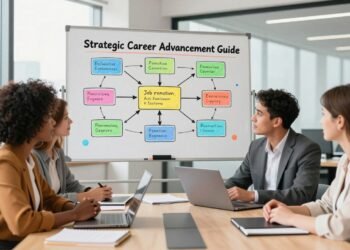

What if the biggest hurdle to your company’s growth isn’t market competition, but the way you cultivate your people?
Empowering teams is the cornerstone of modern business success. In a fast-changing world, having the right people ready to guide others is not just nice—it’s necessary.
David Reimer, CEO of the ExCo Group, points to three major issues leaders will face in 2025. These challenges demand a fresh approach to how we build capability within an organization.
A strong program focuses on refining core skills. It prepares individuals to help employees reach long-term goals. This builds a pipeline of ready talent for future needs.
This guide looks at practical ways to boost performance. We explore training, constructive feedback, and hands-on learning. The aim is to help every person in charge make smarter decisions.
We also show how a culture of high engagement and teamwork can close skill gaps. This improves overall job satisfaction. Successful efforts need a clear plan that fits the company’s values.
Understanding how actions affect others is key. Using data helps keep the growth process effective over time. Companies that focus here are better set for sustainable success.
Key Takeaways
- Empowering your team is essential for navigating modern business challenges.
- Future leaders face specific issues that require updated preparation methods.
- Investing in skill refinement builds a strong talent pipeline for the organization.
- Practical tools like training and feedback directly improve decision-making and performance.
- Cultivating a collaborative culture increases employee satisfaction and closes ability gaps.
- A clear, value-aligned plan is crucial for long-term effectiveness in growth initiatives.
- Data-driven approaches ensure development efforts remain relevant and impactful.
The Importance of Leadership Development in Today’s Business Landscape
The digital transformation of work has changed the requirements for success in influential positions. Global corporate trends indicate technology is fundamentally reshaping operations and management styles.
Current Trends Shaping Leadership
Organizations confront intense growth and margin expectations. This necessitates a shift from a control-oriented approach to one based on empowerment and collaboration.
Middle management tiers are increasingly seen as the new senior leaders. They require dedicated professional growth to handle regulatory and market uncertainties effectively.
Cultivating a growth mindset enables these individuals to manage paradoxes. It also helps activate their teams rapidly to meet evolving customer and workforce demographics.
Impact on Organizational Success
The influence on organizational achievement is significant. Structured initiatives equip people to navigate ambiguity and drive innovation within fast-paced environments.
When those in charge make informed decisions, it directly enhances performance and job satisfaction among their reports. Aligning personal competencies with company values ensures every employee contributes to long-term objectives.
Ultimately, a company’s capacity to adapt and respond determines its competitive advantage. A coherent strategy that integrates continuous learning is essential for sustainable impact.
Exploring Leadership Development Programs
Companies today are blending coaching, digital courses, and hands-on projects to prepare their people for greater responsibility. This mix creates a powerful framework for professional growth.
Coaching, Mentoring, and Hands-On Experiences
Coaching offers a personalized path for a leader to refine their strengths and address areas for improvement. It shapes effective management behaviors.
Mentoring connects less experienced individuals with seasoned guides. This relationship transfers knowledge and expands professional networks.
Immersive experiences, like retreats, push participants to apply their skills in real-time. Stepping outside a comfort zone accelerates learning.
Structured Training and Innovative Approaches
Formal training from business schools provides key skills and certifications. Platforms like HarvardX and Coursera offer flexible MOOCs for transformational learning.
Innovative methods include cross-functional projects. These build collaboration and solve real company challenges. Job rotation gives a broader view of the entire organization.
Supportive frameworks are also vital. A clear 30-60-90 day roadmap helps new leaders adapt quickly. Co-development groups let managers share problems and find solutions together.
Micro-opportunities, like volunteering for internal projects, allow employees to build talent in an agile way. These initiatives drive team success.
Implementing Effective leadership development strategies
Without executive sponsorship and a focus on real-world application, even the best-designed programs can fall short. The real power of a growth initiative lies in its direct connection to the company’s core objectives.

Aligning Programs with Business Objectives
Executive support is non-negotiable. It secures resources and signals the initiative’s importance. This visible backing encourages everyone to participate.
Initiatives must be tied to clear business goals. This ensures training focuses on the skills that drive real performance. A one-size-fits-all approach limits impact.
Personalization is vital. People learn best by applying new concepts to their daily work. This practical experience accelerates growth.
Embed learning into the normal workflow. Use clear metrics to track progress. Regular feedback allows for quick adjustments.
This alignment turns talent building into a core company strategy. It prepares individuals to guide their teams toward shared success.
Building a Culture of Continuous Learning
The most adaptable companies don’t just train their people; they build environments where learning is part of the daily routine. This culture embeds professional growth into company policies and everyday work. It promotes high engagement at every level.
A growth mindset is essential here. It encourages employees to learn, adapt, and embrace challenges. This is key for long-term career success and personal achievement.
Nurturing a Growth Mindset Across Teams
Nurturing this mindset helps teams view challenges as opportunities. It becomes a key driver of innovation and organizational resilience. Senior figures must lead by example, investing in their own growth.
This sets a powerful standard for everyone to follow. Creating varied learning opportunities embeds this mindset into daily practice. Cross-departmental collaboration is a great example.
Fostering Open Communication and Feedback
Open dialogue is essential for a transparent environment. Constructive conversations must thrive between managers and their reports. This builds trust and shared understanding.
Regular assessments and feedback sessions reinforce continuous improvement. They create accountability for all individuals in guiding roles. When employees are partners in the process, they take shared responsibility.
This leads to higher job satisfaction and better results. Supporting clear career pathing also helps retain top talent. It allows people to see their potential growth within the organization.
Aligning these initiatives with core values cultivates individuals who model positive behaviors. This strengthens the overall company culture and drives shared success.
Integrating Personalized Development Plans
A one-size-fits-all approach to professional growth often misses the mark for individual managers. Personalized plans yield higher engagement because they target specific needs and management levels.
Tailoring Programs to Individual Leadership Needs
These customized paths help people gain deep insights into their strengths and core values. This leads to more informed career decisions.
Training becomes immediately useful when it matches a manager’s daily responsibilities. Self-reflection builds awareness of how one’s actions affect the team.
Improving communication is a common focus. Emotional intelligence helps individuals manage conflicts and their own emotions better.
This focused preparation often speeds up career advancement. It builds the specific competencies required for higher-level roles.
Companies that offer these tailored paths show a real commitment to employee growth. This is a key factor in keeping top talent.
Regular reviews keep the plan aligned with changing personal goals and business objectives. This alignment fosters greater job satisfaction and long-term success.
Leveraging Technology in Leadership Training
Imagine delivering consistent, high-quality training to every manager, regardless of their location or schedule. Digital platforms make this possible, transforming how organizations cultivate talent. They provide flexible, cost-effective ways for people to access learning modules from anywhere.

E-Learning Platforms and Digital Solutions
These tools offer scalable growth initiatives for a global workforce. Current and future managers can learn at their own pace, free from time constraints. This scalability ensures everyone receives the same core training.
Webinars and interactive masterclasses connect learners with subject-matter experts. Micro-learning modules deliver short, focused bursts of information. This helps reinforce specific skills without disrupting daily work.
Digital solutions also promote inclusivity. Features like closed captioning make training accessible for all employees. Using data analytics, HR can track progress and improve the program.
Virtual reality simulations create immersive practice environments. Here, individuals can hone decision-making in a risk-free space. Technology also fosters better teamwork through centralized digital hubs.
Integrating these solutions reduces costs linked to travel and venues. A blended approach, mixing online modules with in-person coaching, maximizes the overall impact. This modern method builds a more agile and prepared team.
Regulatory and Compliance Considerations in Leadership Programs
The Supreme Court has made it clear: selection for growth opportunities must be driven by business needs, not personal characteristics. This legal foundation shapes how every organization must design its professional initiatives. Ignoring these rules can expose a company to significant risk.
Camille Olson of Seyfarth advises a focus on clear business objectives. Using protected status as a shortcut for entry is not compliant. Instead, target efforts by removing obstacles that affect some groups more.
Equal Opportunity and Accessibility Standards
Federal laws like Title VII set the standard. Any program must be built to align with these regulations from the start. Transparency in the selection process is essential to minimize bias.
Regular audits ensure initiatives stay current with evolving standards. This protects the company and fosters a fair environment. Everyone gets an equal chance to grow when the process is clear.
Adhering to Disability and Anti-Discrimination Laws
The Americans with Disabilities Act mandates full accessibility. This applies to physical training locations and all digital tools used. Software with features like closed captioning is now a compliance requirement.
Providing training on assistive tech ensures all employees can participate fully. This inclusive approach isn’t just about following the law. It builds a culture where every individual can contribute to shared success.
Quantifying Impact Through KPIs and Feedback
Real growth isn’t just about completing a course; it’s about seeing a lasting change in how work gets done. To prove an initiative’s value, you must track its effect on people and performance. This moves beyond counting participants to measuring real-world impact.
Metrics for Measuring Success
Effective measurement uses both numbers and narratives. Key Performance Indicators (KPIs) like promotion rates show career progression. Key Behavior Indicators (KBIs) track changes in management style.
Qualitative insights are equally vital. 360-degree feedback gathers perspectives from peers, reports, and supervisors. This reveals how a person’s actions influence their team. It pinpoints exact areas for improvement.
Regular assessment lets you adjust the program quickly. If data shows a gap, you can refine the training content. This keeps efforts aligned with evolving business goals.
Tracking this information justifies budget allocations. It demonstrates a clear return on investment to executives. Concrete results turn professional growth into a strategic lever for the entire company.
Ultimately, this approach ensures talent building drives meaningful change. It helps retain high-potential employees by showing a commitment to their success. The organization builds a stronger, more accountable pipeline for the future.
Enhancing Diversity and Inclusion in Leadership Development
Building a management team that reflects the diverse world it serves is no longer just an ideal—it’s a business imperative. A wide range of perspectives in the pipeline leads to better outcomes for the entire organization.
Embedding Inclusive Practices into Programs
Inclusive practices start with ensuring equal access for all employees. Bias training is a critical step to minimize unconscious barriers in identifying potential leaders.
This approach enhances innovation and strengthens company culture. It also helps teams better understand and serve a diverse customer base.
Promoting equity means leadership opportunities are open to everyone. This fosters a strong sense of belonging and boosts job satisfaction.
Regular reviews of the program identify and remove obstacles. Prioritizing diversity leads to more creative problem-solving and sounder decisions. It ensures continuous learning, builds key skills, and improves overall team performance.
Conclusion
Ultimately, the true measure of any growth initiative is its lasting impact on both people and performance. Successful leadership requires a blend of diverse experiences and practical application.
There is no universal formula. Each person and company needs a tailored program. Embedding these efforts into daily work turns them into pillars of success for all employees.
Focus on continuous learning and inclusive practices. This builds a robust pipeline of talent ready to guide the organization forward. Measuring results ensures these efforts remain a strategic lever for innovation.
The commitment to cultivating leaders at every level creates a resilient company. Investing in individual growth is the most effective path to empower teams and achieve sustainable results.
FAQ
Why is investing in growing leaders so critical for companies today?
In today’s fast-paced market, empowering your people is key to staying competitive. Effective programs that build capabilities directly boost innovation, employee satisfaction, and overall organizational success. They prepare your talent to navigate complex challenges and drive performance.
What are the main components of a strong program for building leaders?
A robust initiative blends several methods. This includes personalized coaching, mentoring relationships, and structured training sessions. Incorporating hands-on experiences, like stretch assignments, helps individuals apply new skills directly to their work for real impact.
How can we ensure our program aligns with our company’s main goals?
Start by clearly linking the program’s objectives to your core business strategy. Involve senior management in the design to ensure it supports key performance targets. Regularly review the curriculum to confirm it addresses the specific skills and behaviors needed to achieve company-wide goals.
What role does company culture play in continuous learning?
Culture is the foundation. Nurturing a growth mindset where everyone is encouraged to learn and improve is essential. Fostering open communication and regular feedback makes learning a shared value, which boosts engagement and helps teams adapt more quickly.
How should development plans be personalized for different individuals?
Plans must be tailored to each person’s unique strengths, career aspirations, and skill gaps. This involves assessments, one-on-one conversations with managers, and creating a custom learning journey. A personalized approach increases commitment and ensures the training is relevant.
Can technology enhance how we train our future leaders?
Absolutely. E-learning platforms and digital solutions offer flexible, scalable ways to deliver content. They allow for on-demand learning, virtual collaboration, and tracking progress. Using technology can make training more accessible and engaging for everyone involved.
What legal considerations are important for these programs?
It’s vital to adhere to all equal opportunity and accessibility standards. This means ensuring programs comply with anti-discrimination laws and are accessible to individuals with disabilities. Proactive compliance protects your organization and promotes fairness for all employees.
How do we measure the success and return on investment of our efforts?
Track specific Key Performance Indicators (KPIs) like promotion rates, team performance metrics, and engagement survey scores. Collecting consistent feedback from participants and their managers provides qualitative data on behavioral change and the program’s real-world impact.
How can diversity and inclusion be woven into these initiatives?
Embedding inclusive practices starts with program design. Ensure diverse representation in mentoring, use unbiased assessment tools, and create content that addresses inclusive leadership behaviors. This builds a broader, more effective talent pipeline and enriches decision-making.